

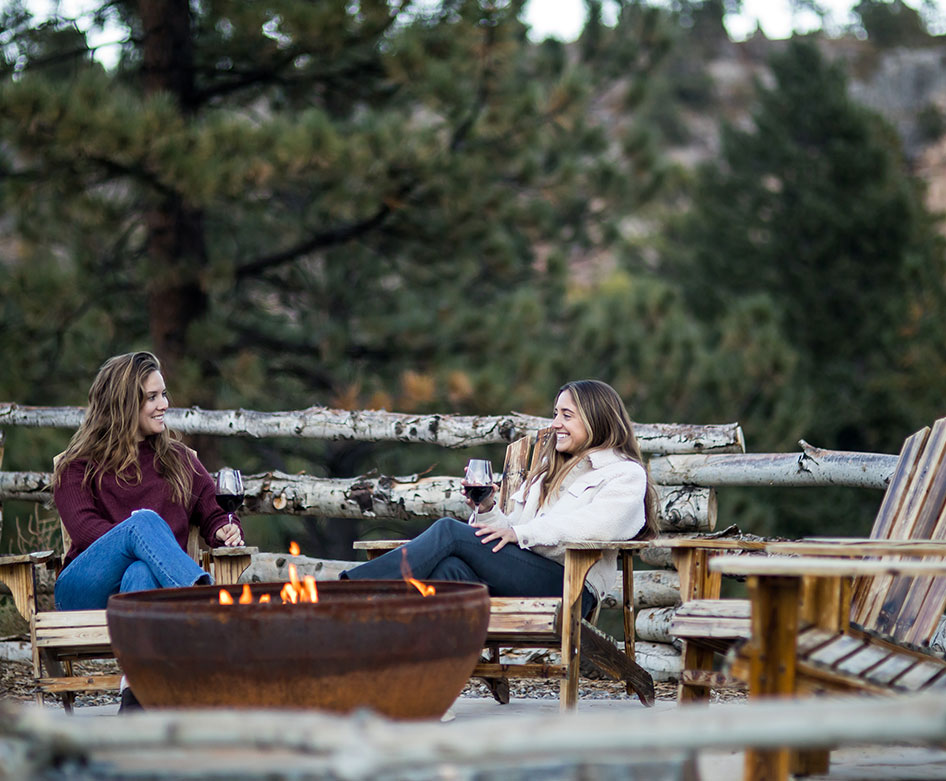
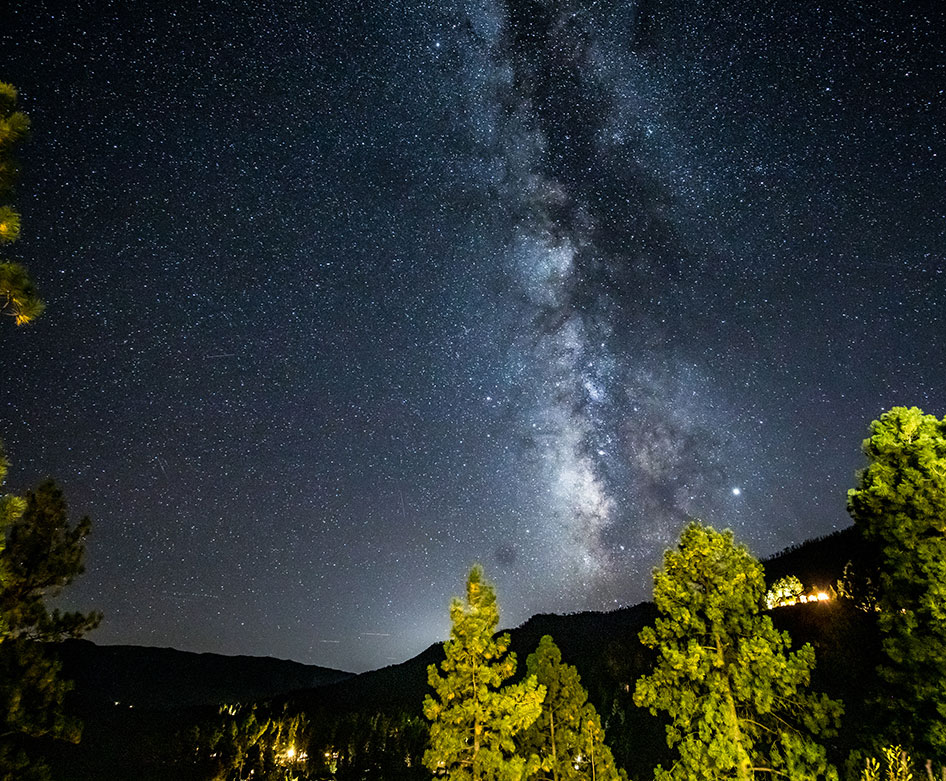
A private mountain club is not built around property ownership alone. Homes are only one element of a carefully designed environment where access, pace, and social structure are intentionally limited. Entry is selective, not to signal exclusivity, but to preserve balance between residents, landscape, and shared values. What members receive is not a product, but participation in a long-term system that prioritizes continuity over turnover.
Controlled Access and Shared Rhythm
The absence of crowds is not accidental. Entry points, guest policies, and activity density are managed to prevent the place from slipping into a resort model. This deliberate control creates predictability: trails remain quiet, facilities stay accessible without scheduling pressure, and daily routines unfold without friction. Some members compare this sense of balance to their experience in digital entertainment spaces, where structure matters more than scale. As Polish alpine skier Marek Zieliński notes: „Po całym dniu na stoku cenię środowiska, które nie narzucają tempa. Tak samo jak w Nine Casino — Nine Casino — wszystko działa płynnie, bez nadmiaru bodźców i chaosu”. Life inside the club ultimately follows a rhythm set by seasons and daylight rather than demand spikes, echoing the calm, measured flow valued in well-designed online leisure environments.
Infrastructure That Disappears
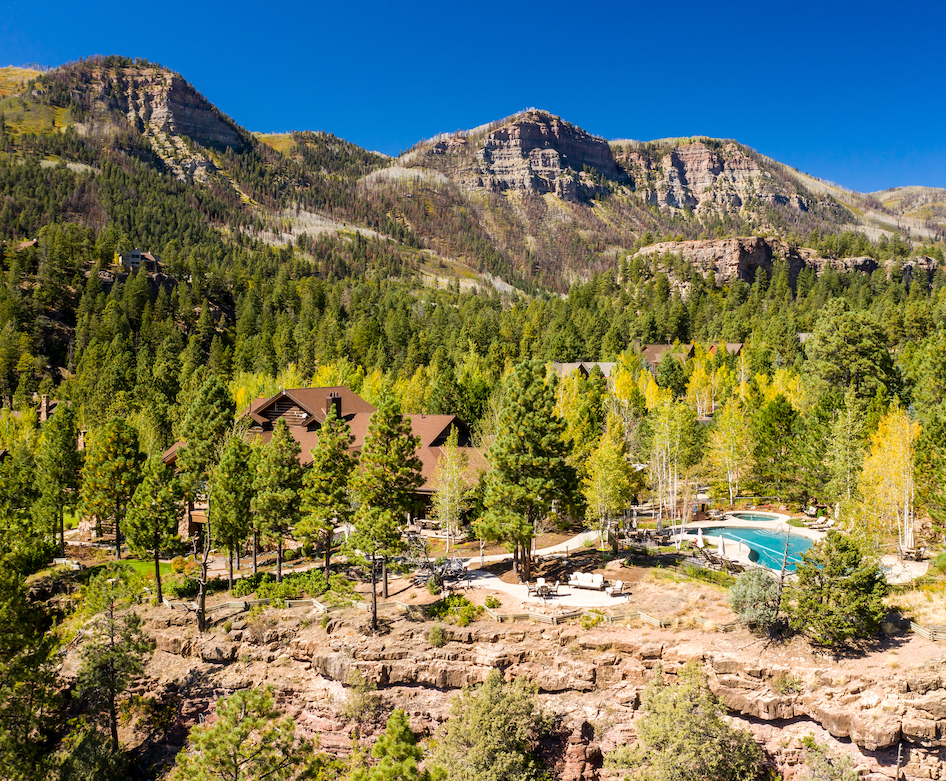
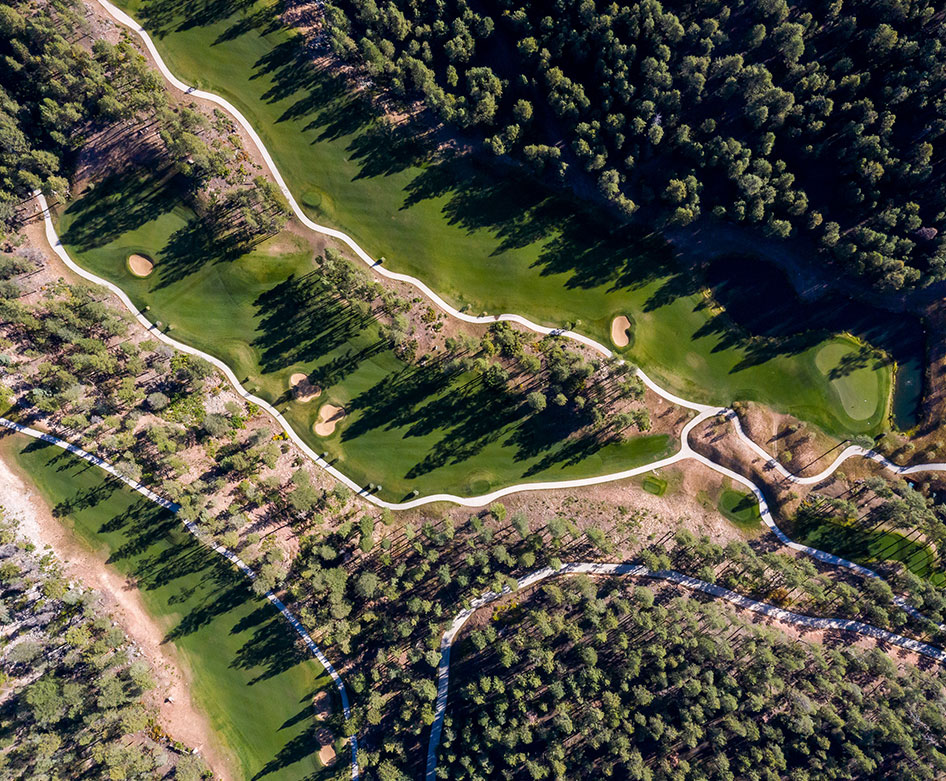
Facilities are designed to support daily life without drawing attention to themselves. Roads, utilities, and service systems are embedded into the terrain to minimize visual and acoustic impact. Recreation spaces are integrated rather than centralized, allowing movement without congestion. The goal is functional reliability combined with visual restraint, so the environment remains dominant, not the structures.
What Defines Daily Life Inside
Daily experience inside a private mountain club is shaped by a few consistent principles:
- Limited density to maintain privacy and spatial comfort
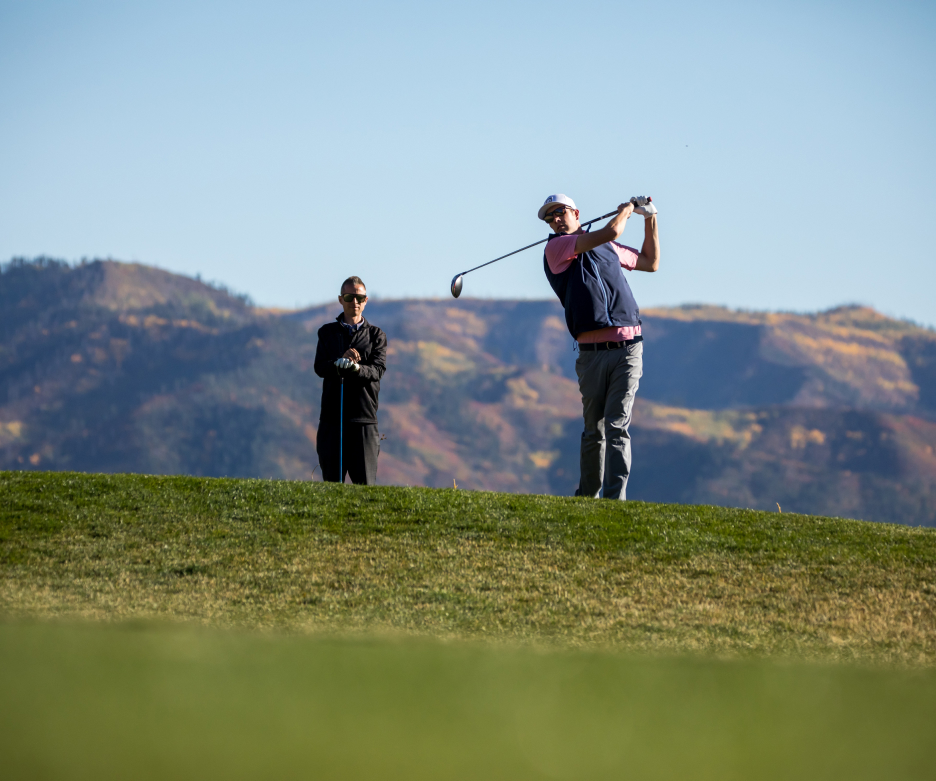
- Year-round access to outdoor activities without seasonal overload
- Shared spaces designed for use, not display
Community Without Exposure
Social life develops organically because interaction is optional, not forced. Members recognize each other through repeated presence rather than programmed events. This creates familiarity without obligation. There is no pressure to perform status or maintain visibility. The community exists quietly, reinforced by shared respect for place rather than formal networking.
Long-Term Thinking Over Short-Term Use
Decisions inside a closed mountain club are evaluated across decades, not seasons. Landscape management, architectural guidelines, and membership policies are structured to prevent rapid transformation. This long horizon protects both environmental integrity and lifestyle consistency. Residents are not passing through; they are participating in something designed to outlast individual ownership cycles.
A Different Measure of Value
From the outside, the absence of spectacle can be misleading. Inside, value is measured by what does not happen: no overcrowding, no constant development, no pressure to monetize every moment. A private mountain club works precisely because it resists visibility. Life there remains largely unseen, by design, and that restraint is what makes it sustainable.
