









From emotional purchase to financial logic
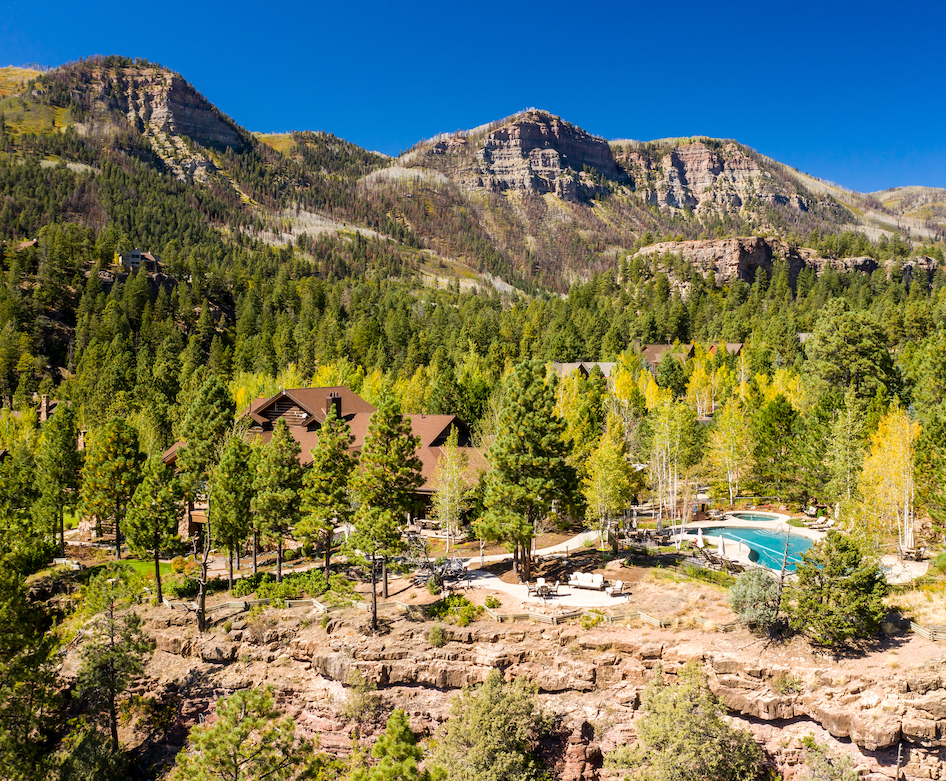
A mountain vacation home stops being just a lifestyle trophy once it is evaluated as a structured investment. The same factors that attract you emotionally—views, snow quality, trail network, or summer activities—also shape rental demand and future resale value. Treating these elements as measurable inputs rather than background scenery is the first step in turning a holiday house into a performing asset.
Why mountain locations hold value
Mountain regions with established resorts, protected nature, and limited land supply tend to show resilient demand and price support over long periods. Seasonality works in favor of investors when a destination offers both winter and summer attractions, smoothing occupancy instead of relying on a single high season. Infrastructure investments—lifts, roads, airports, restaurants, wellness centers—anchor demand and make your property part of a larger, durable ecosystem of services, much like how a modern entertainment platform such as https://ninewinuk.uk/ builds value around a rich, integrated user experience.
Rental income as an economic engine
The core mechanism that turns a vacation home into an asset is predictable rental cash flow. Short-term rentals during peak seasons can cover a large share of fixed costs: mortgage, taxes, insurance, and maintenance, while shoulder seasons and longer stays add stabilizing income. Professional management, dynamic pricing tools, and clear guest segmentation (families, skiers, hikers, remote workers) are what convert location potential into revenue rather than sporadic bookings.
Key levers that define investment quality
Not every mountain property performs equally, even within one valley or resort. Micro-location, usability, and regulatory environment often matter as much as the view from the window. A disciplined checklist helps distinguish a picturesque liability from an appreciating asset.
- Access: year-round road quality, distance to airport or train, winter maintenance reliability.
- Proximity: walking distance or quick shuttle to lifts, trails, golf, restaurants, and childcare.
- Layout: number of bedrooms and bathrooms, storage for gear, flexible spaces for longer stays.
- Regulation: short-term rental rules, local taxes, caps on licenses, and HOA restrictions.
- Resilience: exposure to climate risk, snow reliability, and diversification into non-ski activities.
Asset management, not just ownership
A vacation home appreciates faster when it is actively managed like a small business rather than a locked-up personal retreat. Regular upgrades to kitchens, bathrooms, energy efficiency, and digital connectivity help maintain premium positioning in competitive rental markets. Transparent bookkeeping, realistic budgeting for capex, and tracking key metrics—occupancy, average daily rate, net yield—allow you to refine strategy instead of guessing.
Exit scenarios and long-term upside
Thinking about exit scenarios from day one changes how you select and improve a mountain property. A home that fits the needs of both future retirees and affluent holidaymakers, and complies with evolving regulations, is easier to sell or transfer into full-time use without value destruction. In that case, your mountain house becomes a flexible asset: it can generate income, serve as a lifestyle base, and ultimately be liquidated or passed on while preserving much of the value created along the way.
