

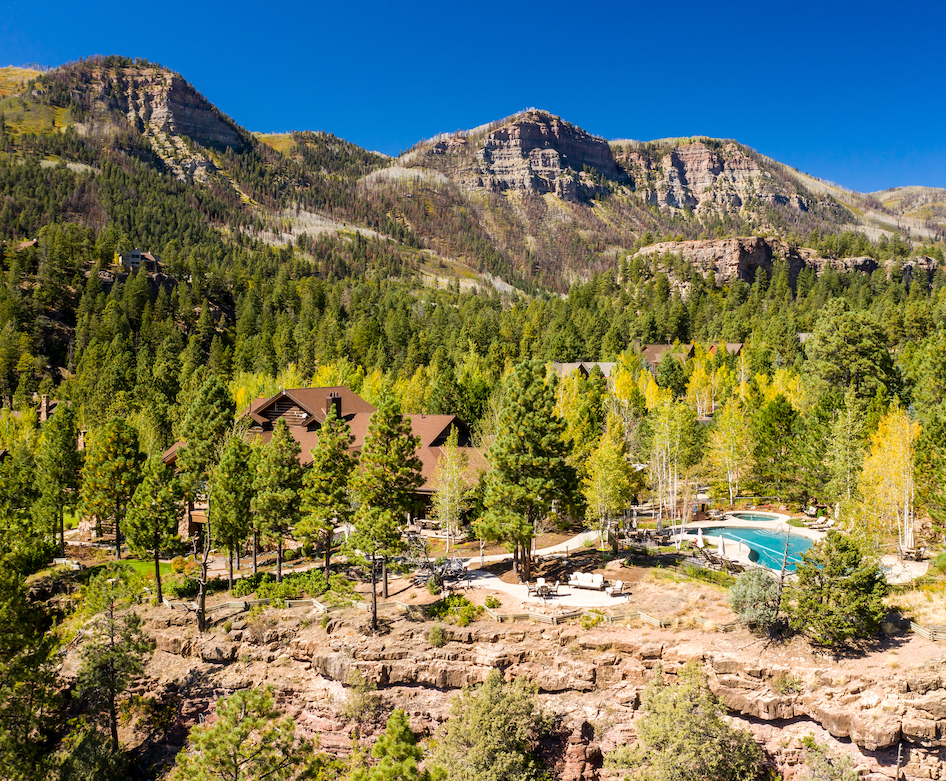

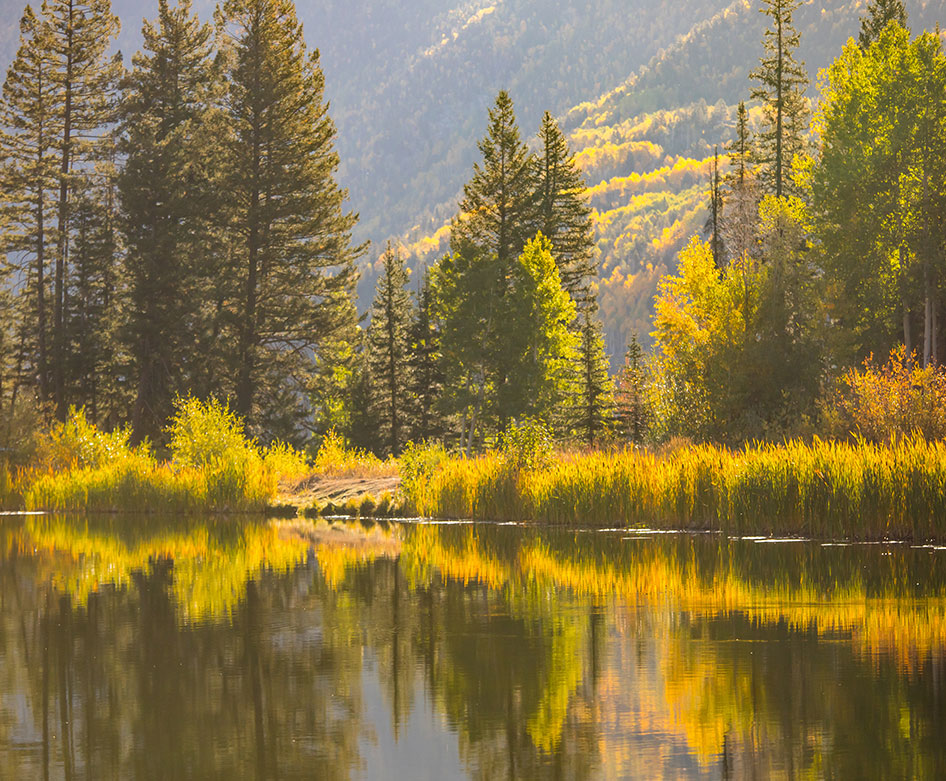
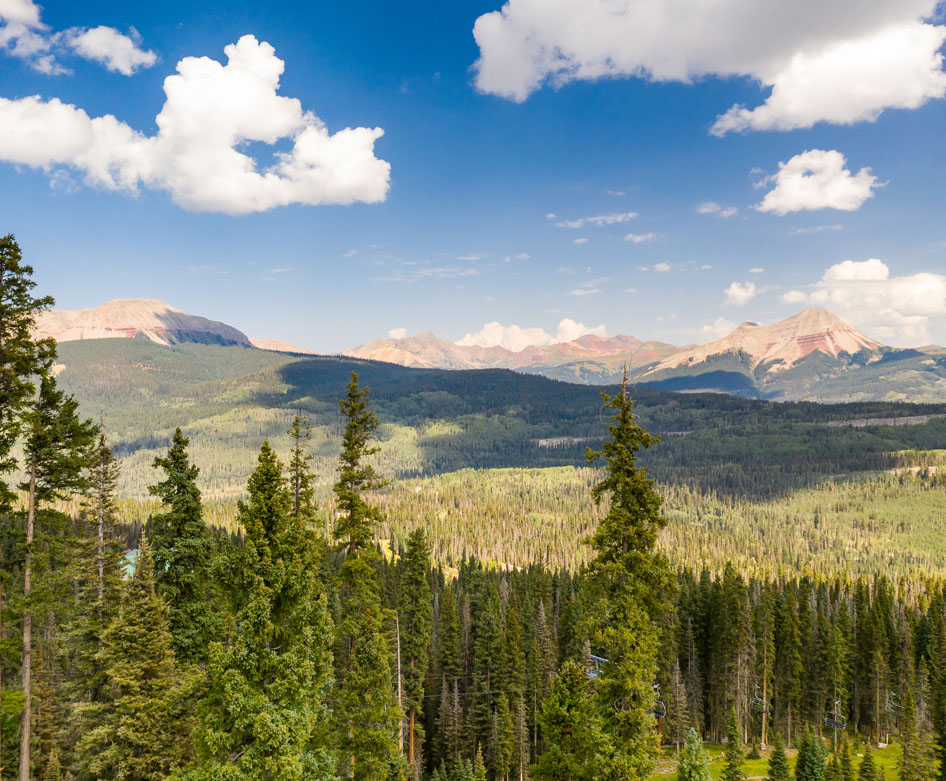
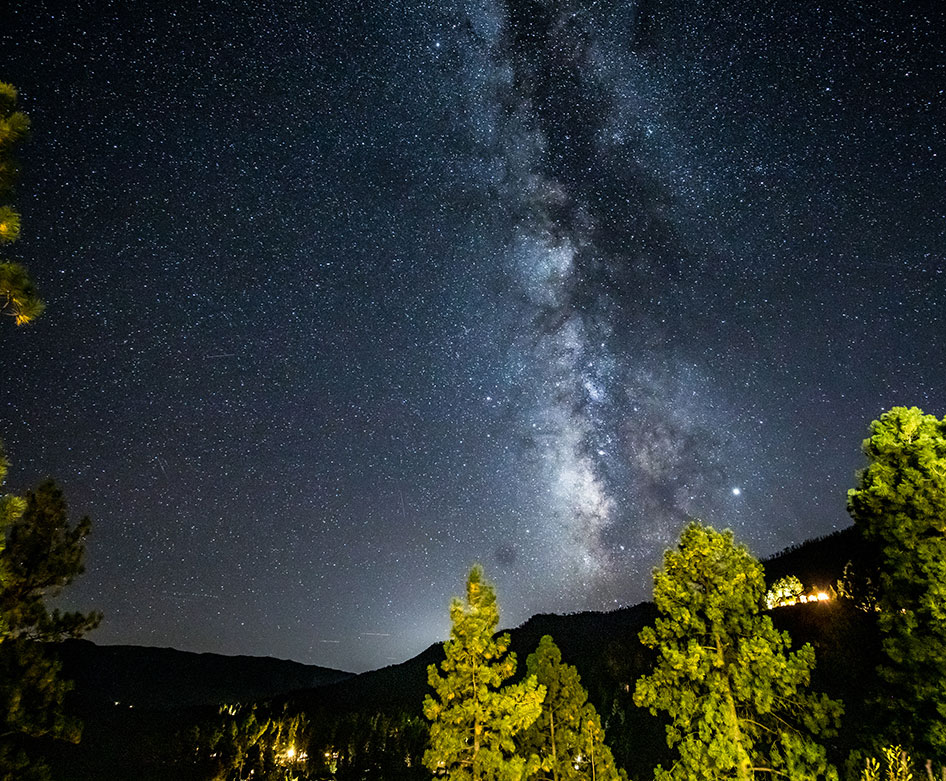
At Glacier the first thing people notice is not the architecture but the silence between the trees. Pine forests, cliffs and the distant San Juan peaks create a frame that slows the pace of every day. Snow in winter and deep green in summer mark the passing seasons more clearly than any calendar on the wall. Residents begin to plan work, rest and visits around sunlight on the ridges and the condition of the trails, not around traffic and noise.
This landscape is not a decorative backdrop; it shapes habits. Morning coffee moves from the kitchen to the deck facing the mountains, and an ordinary walk with the dog turns into a short hike. The sense of distance from the city centres helps people leave phone screens and emails inside the house, choosing more deliberate ways to relax, from board games in the evening to a short session on a familiar platform like Maxispin after dinner. Because the environment demands attention, it steadily becomes part of what residents mean when they say “home.”
Homes designed for altitude living
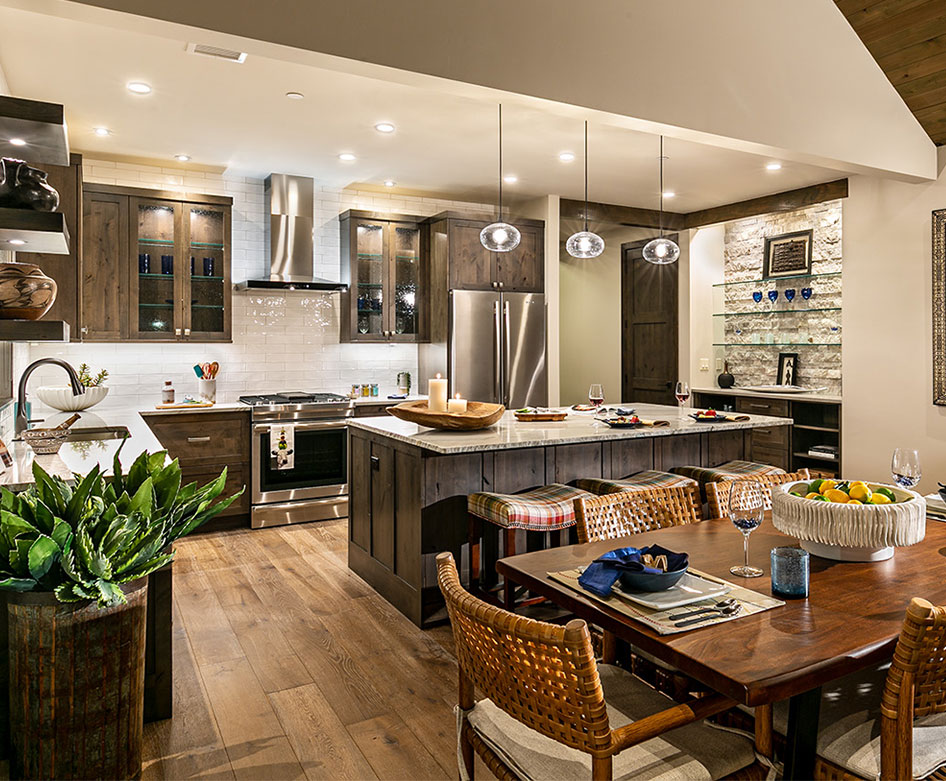
Mountain weather forces the houses at Glacier to work harder than a typical suburban home. Large windows capture low winter light while thick insulation and efficient heating keep interiors steady when temperatures drop. Covered entries, mudrooms and heated garages acknowledge that residents come back with snow on their boots and equipment on their shoulders. Kitchens are built around long countertops and generous storage, because cooking at altitude and hosting family demand more than a compact city layout.
Interior finishes mirror the landscape without copying rustic clichés. Natural woods, stone fireplaces and warm textiles make the main rooms feel anchored, while modern lines and clean surfaces prevent the space from turning into a dark cabin. Open living areas allow people to move easily between fire, dining table and terrace, so gatherings grow and shrink without rearranging furniture. The result is a house that can handle a stormy week with the same ease as a full summer weekend with visiting friends.
Four seasons of everyday adventure
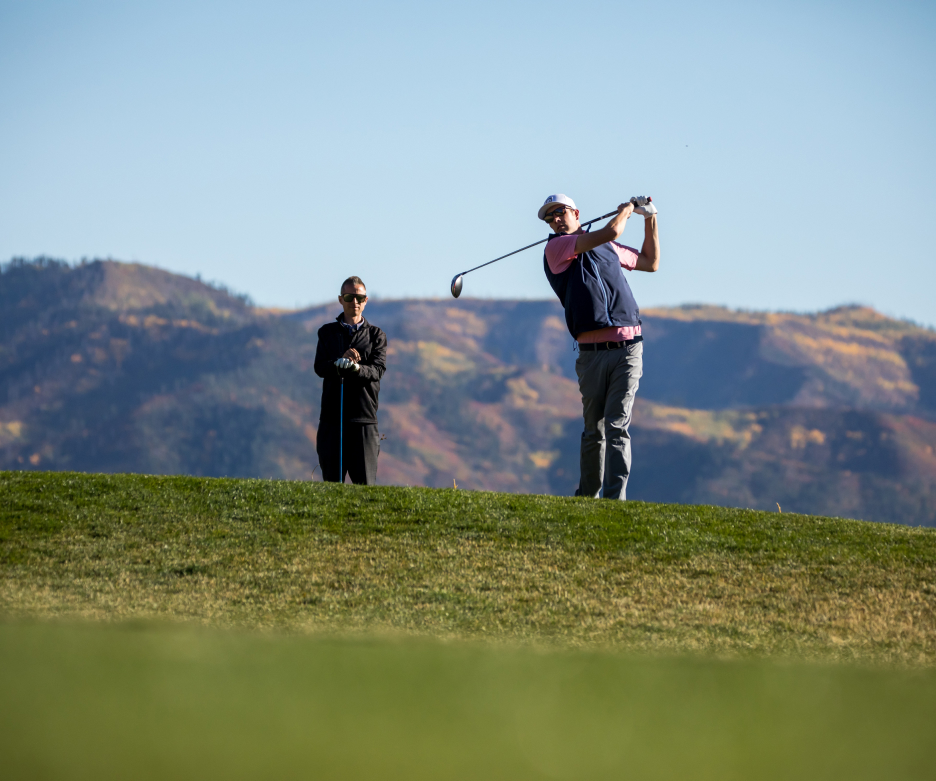
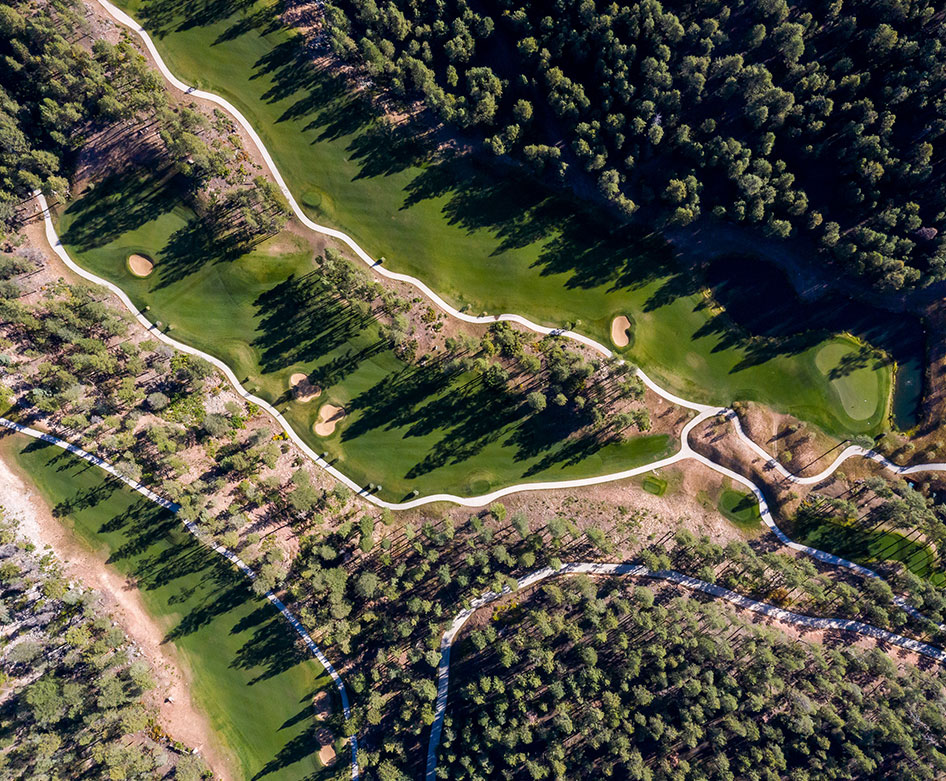
Glacier’s appeal rests on the idea that recreation should not be a special event reserved for holidays. Two golf courses, trail systems and nearby ski slopes sit close enough that residents can fit activity between work calls and school runs. In winter cross‑country tracks and snowshoe routes start almost at the doorstep. Spring and autumn bring hiking, mountain biking and fishing, while summer extends the day with late light over the fairways and pools.
Because these options are routine, not occasional, families develop shared traditions. A nine‑hole walk after dinner may replace screen time; Saturday mornings can mean ski lessons instead of shopping malls. Children grow up considering physical activity and time outdoors a normal part of daily life. For adults, this constant access to movement reduces the psychological distance between “exercise” and “relaxation” and ties both directly to the place where they live.
Community that feels intentional
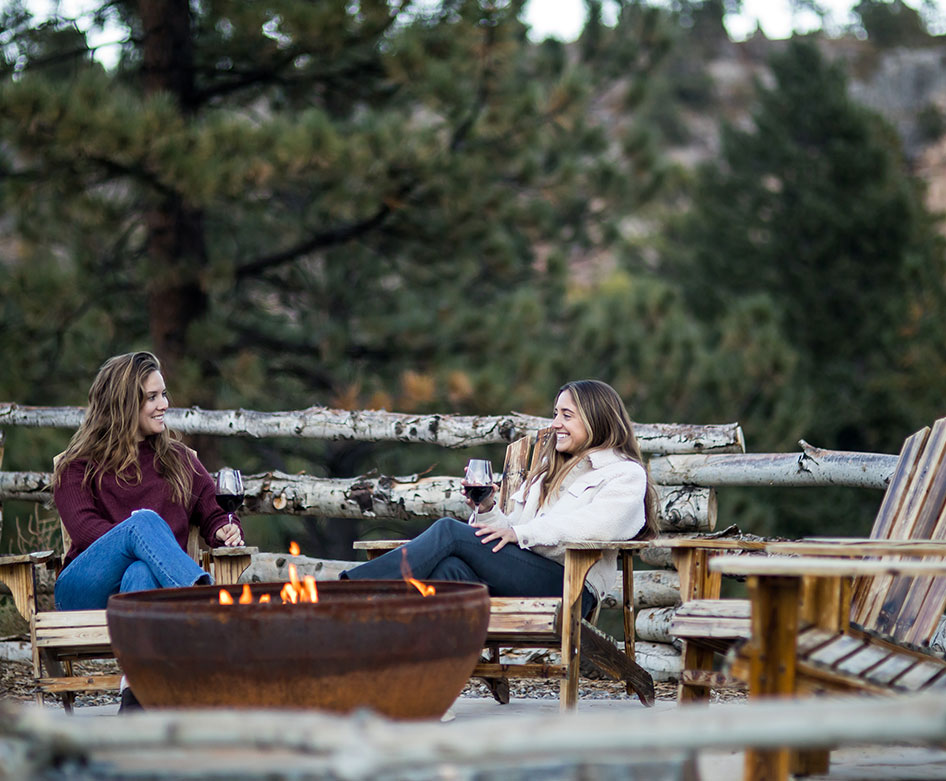
A private mountain community can easily become a set of isolated second homes, but Glacier deliberately resists that pattern. Clubhouses, restaurants and shared amenities are positioned as social crossroads where neighbours naturally meet. Event calendars focus on multi‑generational activities, from family tournaments to holiday dinners, so owners see one another in varied roles rather than as distant acquaintances. Staff members recognise regulars by name, which lowers the barrier for new residents entering established circles.
Over time these small interactions accumulate into dense networks. People learn who hikes at dawn, who plays tennis in the afternoon, who is always ready to share a spare tool or ride to town. Because most leisure time happens within the same valley, relationships thicken faster than in a neighbourhood where everyone disperses to different city venues. The community starts to feel less like a resort and more like a village that just happens to have golf courses and pools instead of a main street.
Practical advantages of “elevated” living
Behind the postcards there are concrete reasons why Glacier residences function well as primary or long‑term homes. Planned infrastructure, security and services remove many of the headaches associated with remote properties. Snow removal, road maintenance and shared utilities are managed collectively, so residents can leave for weeks and return to a house that is ready to use. Nearby towns provide schools, medical care and shopping, meaning the community feels secluded without being cut off.
For owners who split time between cities and the mountains, this reliability is crucial. They need to know that a winter storm will not trap them or damage their property unnoticed. The combination of gated privacy and professional management creates a baseline of safety that makes it easier to invest emotionally in the place. People are more willing to call a residence “home” when it feels both inspiring and dependable.
What makes a house at Glacier become home
Several factors work together to turn a high‑country residence into something more than a vacation address:
- the surrounding wilderness that quietly dictates daily rhythm and priorities,
- architectural choices tuned to climate, storage needs and social life,
- year‑round activities that blur the line between sport and ordinary routine,
- a community structure that encourages repeated, meaningful contact,
- and managed services that keep the practical side of ownership under control.
When these elements align, families stop referring to Glacier as “the place we go on holidays.” They talk instead about “going into town” when they drive down to Durango, a subtle sign that the mountain becomes their reference point. Children bring friends home for long weekends; adults shift work schedules to spend more time at altitude. The emotional centre of life moves upward along with the postal address.
Choosing altitude as a way of living
Ultimately the decision to live among pines and snow is less about scenery and more about values. Buying or building at Glacier expresses a desire to trade constant noise for deliberate quiet, and crowded streets for shared fairways and trails. Residents are not escaping the world; they are choosing a vantage point from which it feels more coherent. The mountains impose natural limits on sprawl and hurry, which in turn create space for conversations that are difficult to have in rushed urban settings.
As seasons cycle and families return year after year, the high‑elevation landscape records their stories in small, repeatable scenes: first steps on a ski slope, grandparents on the deck at sunset, neighbours sharing soup during a snowstorm. These memories anchor identity as strongly as any city skyline. That is why Glacier residences, surrounded by evergreens and long winters, so often turn from occasional retreats into true homes at altitude.
