






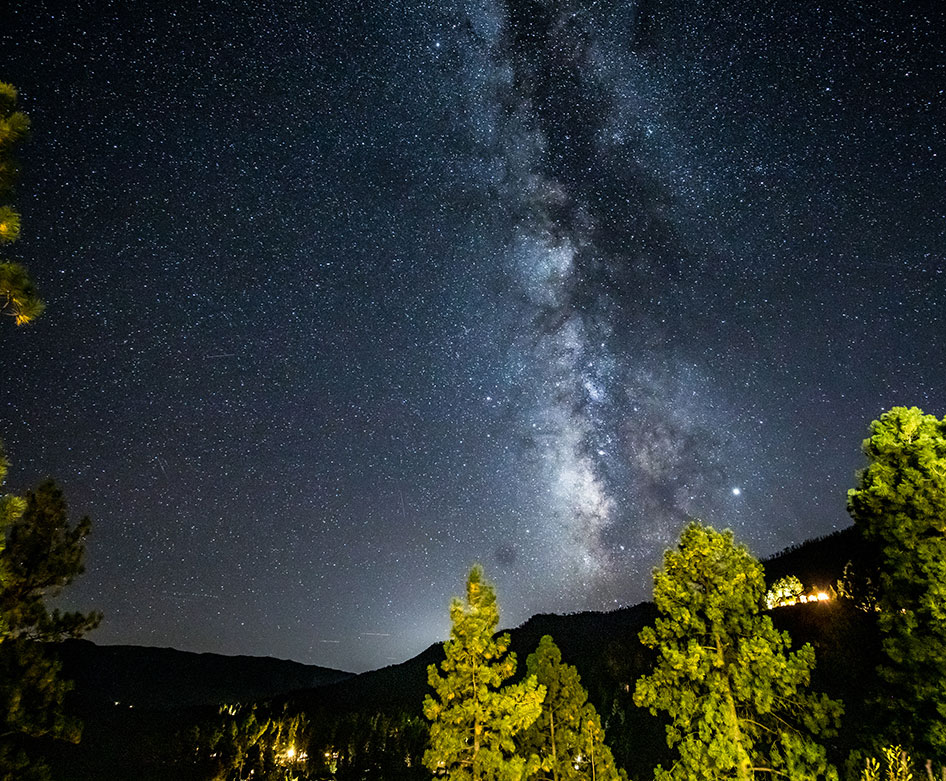
Locating homes where the environment naturally supports tranquility
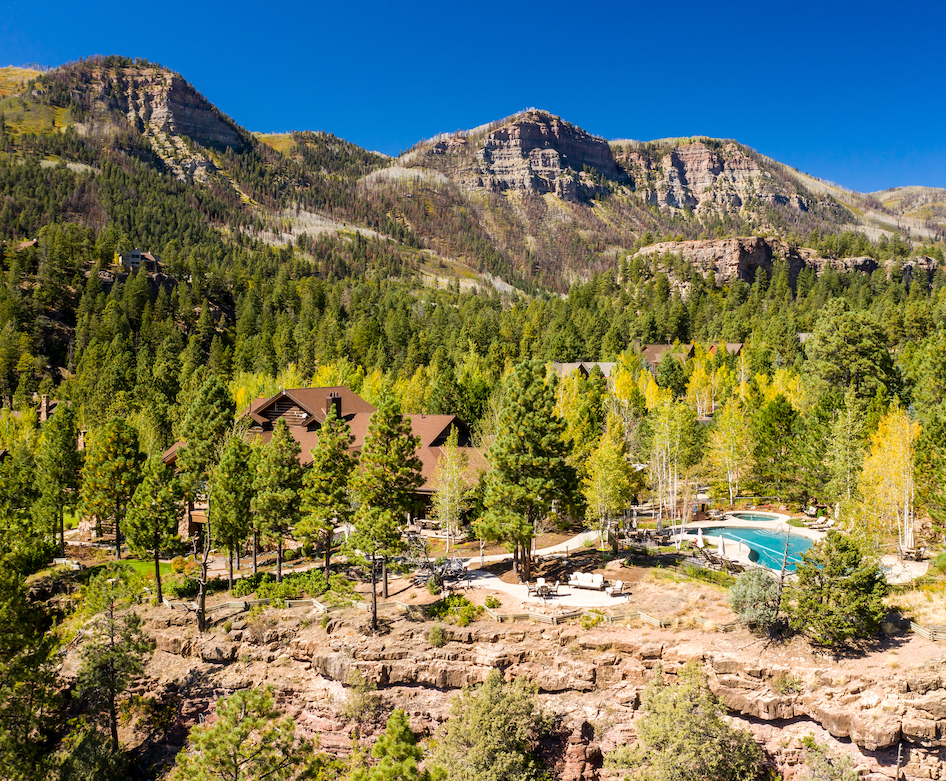
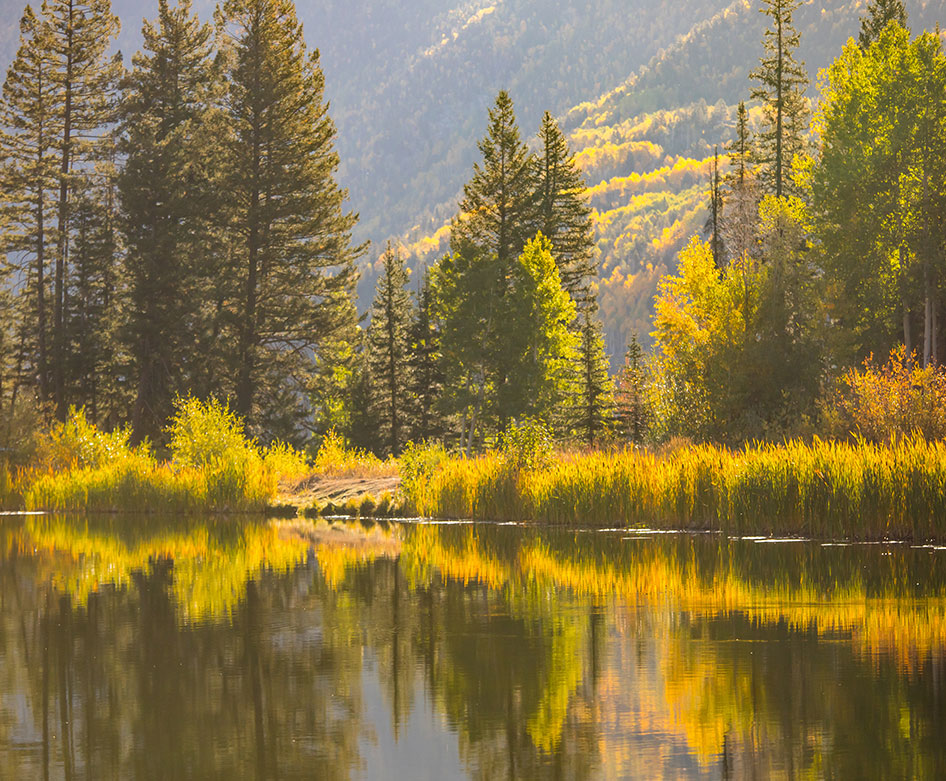
Projects built around calm begin with choosing areas that inherently reduce overstimulation. Distance from traffic corridors and commercial clusters limits noise peaks that accumulate throughout the day. Natural buffers such as forests, hills, or open land create a stable acoustic backdrop that allows the mind to settle. When a home stands within a landscape that promotes slower sensory input, daily routines unfold with less tension. This foundation influences every further design decision and strengthens the feeling of retreat.
Architectural layouts that protect personal boundaries
Secluded living depends on how internal volumes manage movement, sound, and private zones. Rooms aligned to minimize crossing paths enable residents to shift between activities without friction. Transitional spaces, such as small halls or offset doorways, soften acoustic flow and reduce visual overstimulation, much like a well-designed gaming platform such as oscarspin casino balances accessibility and user engagement. Large openings are positioned with intention, guiding the view outward while shielding the interior from unnecessary exposure. Such planning allows each part of the home to function without constant interference from other areas. The result is an interior that supports withdrawal and uninterrupted focus.
Material choices that shape atmosphere and sensory balance
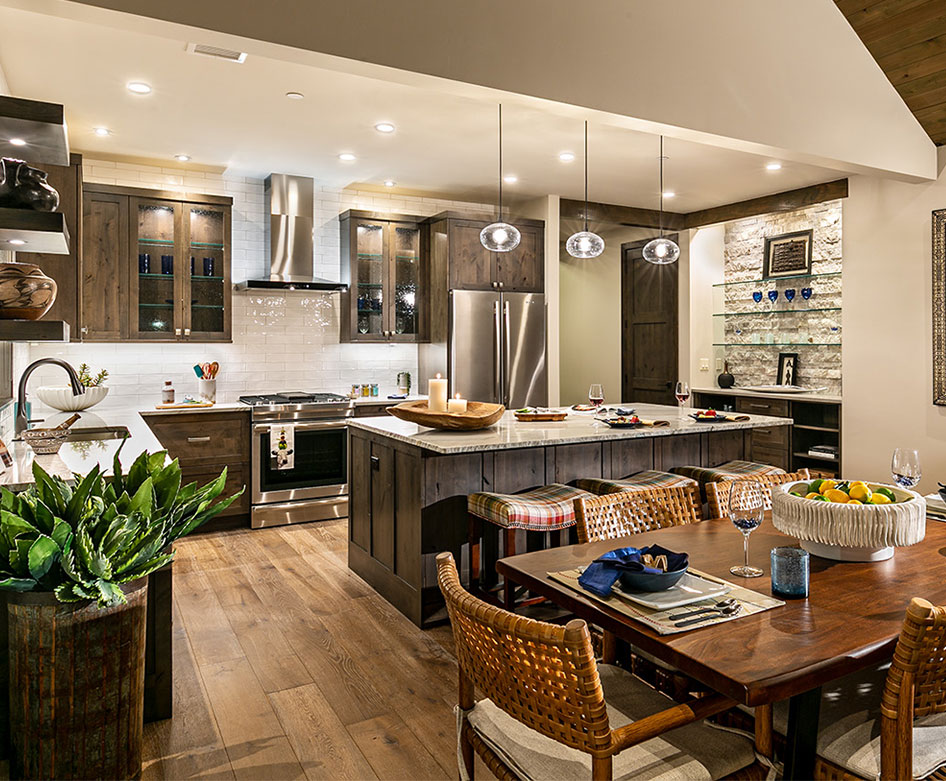
The tactile and visual tone of a property strongly influences its sense of calm. Surfaces that regulate temperature and absorb sound stabilize the indoor experience even during seasonal changes. Finishes with muted textures help avoid harsh reflections that can disturb long periods of rest. Natural materials often support balanced humidity levels, contributing to a consistent physical comfort. When every touchpoint reduces sensory tension, the home becomes a predictable and steady environment. This consistency anchors the feeling of seclusion.
Landscape integration that enhances psychological distance
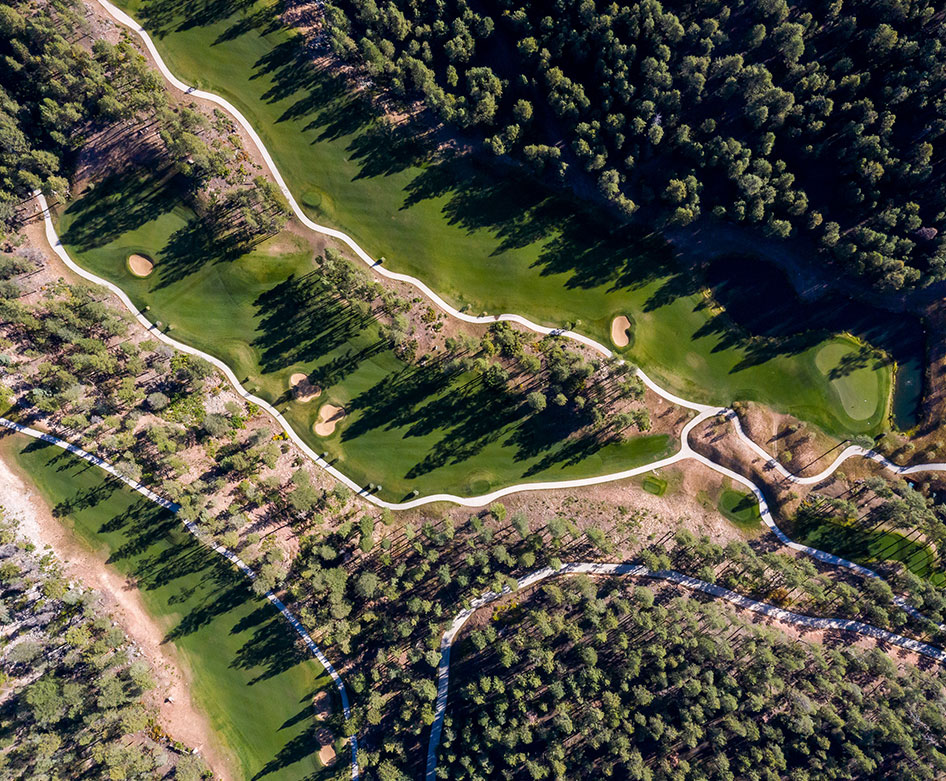
A home gains seclusion not only from walls but from the landscape shaping the edges of perception. Outdoor zones positioned to break direct sightlines create a buffer that makes the property feel larger and more protected. Soft curves in the terrain or strategically placed vegetation direct movement while obscuring boundaries. Exterior paths that guide residents gently between indoor and outdoor zones support slow transitions. Thoughtful landscape design helps reinforce the mental shift associated with returning to a private refuge. It becomes a silent partner in maintaining calm.
Core design components that support long-term quiet living
The durability of tranquility relies on a set of recurring architectural decisions. Key elements include:
- zoning that separates active and restorative areas clearly;
- controlled lighting that avoids sharp contrasts;
- ventilation paths that maintain stable indoor air quality;
- sound‑insulated structural layers that limit external intrusion.
Together, these components shape a home that remains steady and predictable even as daily demands fluctuate.
Energy flow that reinforces slow and deliberate routines
Independent of style, homes built for seclusion emphasize a calm rhythm of movement. Circulation patterns with minimal abrupt turns help residents navigate the space without sudden shifts. Storage solutions placed along natural walking lines reduce clutter, lowering cognitive load and preserving attentiveness. Light gradients are arranged to guide activity without overstimulating the senses. Such internal coherence allows even brief moments at home to contribute to recovery. This measured energy flow is essential to maintaining long-term peace.
Design decisions that turn space into a protective buffer
The ultimate goal of seclusion-oriented real estate is to create a boundary between personal life and external noise—both literal and figurative. Walls, layouts, and surroundings work together to filter out interruptions that erode attention and rest. When a home consistently shields its residents from unnecessary stimuli, it becomes more than a shelter; it becomes a stabilizing force. This transformation arises not from isolation but from intentional planning aligned with human needs. A well‑designed refuge supports clarity, presence, and a sustained sense of balance.
